
A dog’s nose is wet because the body designed it that way on purpose. The thin layer of mucus coating the surface traps scent molecules from the air, making it easier for the olfactory receptors inside to detect and analyze them. In other words, a wet dog nose isn’t a side effect of being a dog; it’s a core part of how dogs experience the world around them. Understanding what that moisture actually does and what it means when it disappears turns something you’ve probably never thought twice about into one of the more fascinating pieces of canine biology.
Why Is a Dog’s Nose Wet?
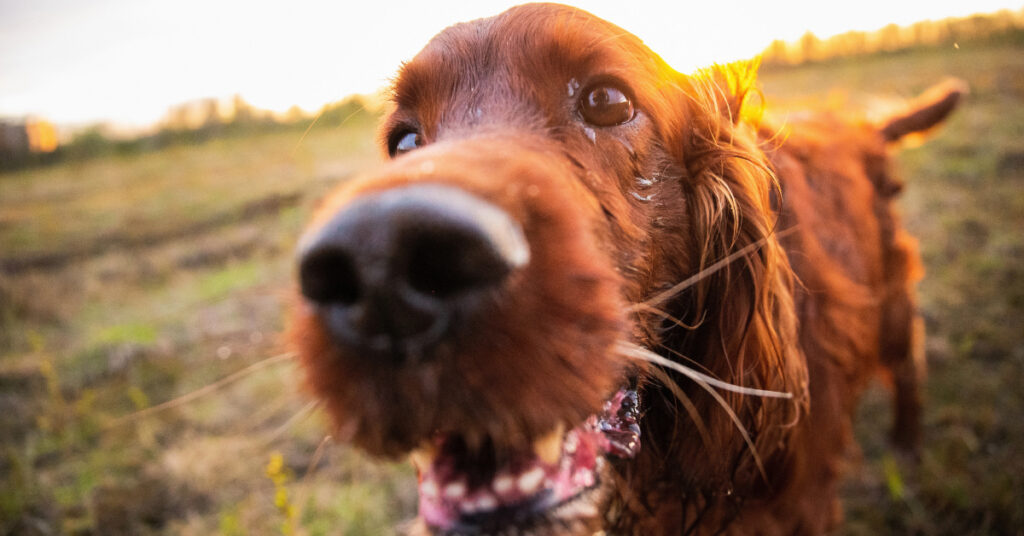
A dog’s nose stays moist through a combination of mucus production and licking. The inner lining of a dog’s nasal passages produces a thin layer of mucus that keeps the nose damp. Dogs also lick their noses frequently, which refreshes that moisture and helps them interpret the scents they’ve picked up.
What the Moisture Actually Does
The wet surface of a dog’s nose serves as a scent-capture mechanism. Odor particles from the environment dissolve into the moisture on the nose, which makes it easier for the olfactory receptors inside the nasal passages to detect and process those scents. A dry nose is a less effective nose. The moisture is functional, not decorative.
How Many Scent Receptors Do Dogs Have?
Dogs have approximately 300 million olfactory receptors in their noses. Humans have around 6 million. That difference alone explains a lot about the role a dog’s nose plays in how they experience the world. But the wet surface of the nose enhances that already extraordinary capability by improving scent adhesion.
The Connection Between a Wet Dog Nose and Smelling
When you ask why dogs’ noses are wet and what it means for their sense of smell, you’re really asking about a sophisticated biological system. Dogs don’t just smell, they analyze. The moisture on their nose helps trap and hold scent molecules so the dog can spend more time processing that information.
How Dogs Use Their Wet Noses to Track Scent
When a dog sniffs, they pull air through two separate pathways one for breathing, one for smelling. The scent pathway sends air to a specialized region of the nasal cavity lined with olfactory tissue. The moisture on the outer nose helps catch scent particles before they even enter the nostril, giving dogs a kind of pre-filter that amplifies what they’re detecting.
Why Dogs Lick Their Noses
Dogs lick their noses for more than just moisture maintenance. When a dog licks their nose, they’re transferring scent molecules from the nose to the roof of the mouth, where the Jacobson’s organ (also called the vomeronasal organ) is located. This organ processes pheromones and other chemical signals that contribute to how dogs read their environment and each other.
Is a Wet Dog Nose Always a Sign of Good Health?
A wet dog nose is generally associated with a healthy, alert dog, but it’s not a reliable health indicator on its own. A dog’s nose naturally varies in moisture throughout the day.
When a Dry Dog Nose Is Normal
- Right after waking up; dogs don’t lick their noses during sleep
- After time spent in a warm or dry environment
- In older dogs, whose noses tend to produce less moisture
A temporarily dry nose in an otherwise healthy, energetic dog with a good appetite isn’t cause for alarm.
When a Dry or Abnormal Nose Warrants Attention
A dog’s nose that is cracked, excessively dry, discolored, or producing discharge alongside other symptoms is worth having evaluated. Signs that your dog’s nose may reflect a health issue include:
- Thick, yellow, or green nasal discharge
- Crusty or cracked texture that doesn’t resolve
- Nosebleeds or bleeding from the nostrils
- Swelling around the nose or muzzle
- Loss of pigmentation combined with other symptoms
If your dog’s nose changes significantly in appearance or texture and the change persists, a visit to Triangle Animal Clinic in Conroe, TX is a good idea.
What a Dog’s Wet Nose Tells Us About Canine Sensory Ability
Dogs navigate the world primarily through scent in a way that humans struggle to fully appreciate. A wet dog nose is the front end of a sensory system so powerful that dogs can detect certain cancers, predict seizures, identify specific individuals by scent, and track trails hours or days old.
Working Dogs and the Importance of Nose Health
Search and rescue dogs, detection dogs, and therapy dogs all rely heavily on their olfactory capabilities. For working breeds, a healthy, well-moistened nose isn’t just interesting biology, it’s essential to their job. Even for companion dogs, nose health contributes to their mental engagement with the environment. A dog that’s sniffing on a walk is a dog that’s mentally stimulated.
Different Dogs, Different Noses
Not all dog noses look or function the same, and breed differences matter.
Brachycephalic Breeds
Dogs with flat faces such as Bulldogs, Pugs, Boxers, and French Bulldogs have compressed nasal anatomy that can affect both their breathing and their scenting ability. These breeds often benefit from extra monitoring, as nasal issues can be more frequent and more consequential for them.
Breed-Specific Nose Conditions
Some breeds are prone to nasal hyperkeratosis, a condition where the tissue on the nose becomes thick and crusty. If your dog’s nose develops an unusual texture, Triangle Animal Clinic can assess whether treatment or management is needed.
What Your Dog’s Nose Is Really Telling You
A wet dog nose means your dog is doing what dogs do: actively engaging with the scent world around them. It’s a sign of a sensory system that’s working. Knowing what’s normal for your dog makes it easier to notice when something changes. Pay attention to the baseline: how moist is your dog’s nose on a typical day? What does it usually look and feel like? If you have questions about your dog’s nasal health or want to schedule a wellness exam, Triangle Animal Clinic in Conroe, TX is here to help. Call (936) 756-3318 or book an appointment online!