
Normal dog panting has a clear trigger, resolves when that trigger goes away, and leaves your dog acting completely like themselves whereas abnormal panting lingers, shows up at rest or in the middle of the night, or arrives alongside other symptoms that tell you something is off. The challenge is that panting is so constant and so ordinary that it’s one of the easiest warning signs to rationalize away. Knowing what separates healthy panting from the kind that warrants a call to your vet and which conditions are most likely driving it is one of the more practical things you can know as a dog owner.
Why Do Dogs Pant?
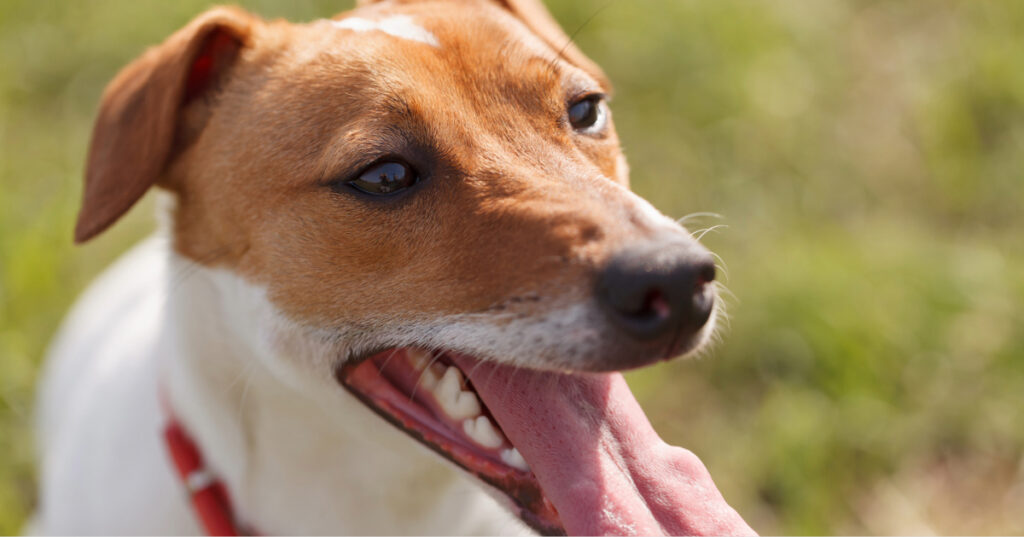
Dogs pant primarily to regulate body temperature. Unlike humans, dogs don’t sweat through their skin in any meaningful way. Panting allows them to evaporate moisture from their tongue, mouth, and upper respiratory tract, which cools the blood and lowers body temperature. It’s an efficient and essential cooling mechanism.
Other Normal Reasons Dogs Pant
Dogs also pant when they’re emotionally activated: excited, anxious, or anticipating something enjoyable. A dog who pants in the car on the way to the dog park and a dog who pants before a thunderstorm are both experiencing emotionally driven panting. The body’s arousal response increases heart rate and respiration, which triggers panting as a secondary effect.
What Does Normal Dog Panting Look Like?
Normal dog panting tends to have a few consistent characteristics:
- It has a clear trigger; exercise, heat, excitement, or mild anxiety
- It resolves relatively quickly once the trigger is removed
- The dog otherwise seems comfortable and alert
- Breathing returns to a normal rate within a reasonable amount of time after exertion or cooling down
How Long Is Too Long to Pant?
After vigorous exercise on a warm day, it’s normal for a dog to pant heavily for several minutes. But if your dog is still panting intensely 30 minutes after resting in a cool environment, that warrants attention. Dogs recovering from exercise should gradually settle, not sustain the same intensity.
When Dog Panting Is a Warning Sign
Abnormal dog panting is heavier, more labored, or more persistent than the situation calls for. It may also be accompanied by other symptoms. Here are the most important scenarios where panting in dogs signals something more serious.
Dog Panting and Heat Stroke
Heatstroke is one of the most dangerous causes of heavy dog panting. It develops when a dog’s body temperature rises beyond what panting can bring back down. Dogs left in hot cars, exercised too vigorously in heat, or left outdoors without shade and water are all at risk.
Signs of heatstroke alongside heavy panting include:
- Bright red gums or tongue
- Excessive drooling
- Weakness or collapse
- Vomiting or diarrhea
- Glazed eyes or disorientation
Heatstroke is a medical emergency. If you suspect your dog is suffering from heatstroke, contact Triangle Animal Clinic in Conroe, TX or the nearest emergency veterinary clinic immediately.
Dog Panting at Night or at Rest
A dog panting heavily at night or while at rest or when there’s no obvious trigger is one of the more concerning patterns. This type of unexplained dog panting can be associated with:
- Pain: Dogs who are in pain often pant as a stress response, even without visible injury
- Cushing’s disease: Elevated cortisol levels cause chronic panting, increased thirst, and a pot-bellied appearance
- Heart or respiratory disease: When the heart or lungs aren’t functioning efficiently, dogs pant to compensate for reduced oxygen availability
- Anemia: Reduced red blood cell count can cause heavy breathing and panting at rest
- Anxiety disorders: Generalized anxiety or noise phobias can cause panting episodes that seem unrelated to any obvious trigger
Sudden, Excessive Panting
If your dog suddenly starts panting intensely with no apparent reason and especially if they also seem restless, are unable to settle, have a distended abdomen, or are trying to vomit without producing anything. Consider bloat, also known as gastric dilatation-volvulus (GDV). This is a life-threatening emergency that requires immediate care.
Dog Panting and Anxiety
Anxiety is a frequently overlooked cause of abnormal panting in dogs. A dog with separation anxiety may pant heavily when left alone. A dog with noise phobia may pant during storms or when fireworks are nearby. Anxious dog panting is often accompanied by pacing, whining, excessive licking, or hiding.
If you suspect anxiety is driving your dog’s panting, Triangle Animal Clinic can help evaluate the pattern and discuss management strategies such as behavioral approaches, environmental modifications, or medication if warranted.
What to Tell Your Vet About Your Dog’s Panting
When you bring your dog in for panting concerns, specific observations help our veterinary team at Triangle Animal Clinic make a faster, more accurate assessment. Come prepared with:
- When the panting started and how often it occurs
- Whether it happens at rest, during activity, or at specific times of day
- Any other symptoms present including lethargy, appetite changes, coughing, limping
- Recent changes in environment, diet, or routine
- Any new medications or supplements
Dog Breeds More Prone to Panting Issues
Some dog breeds are more vulnerable to panting-related problems. Brachycephalic breeds such as Bulldogs, Pugs, Boston Terriers, French Bulldogs, and Shih Tzus have anatomical features that make normal breathing more labored. These dogs may pant more than others even under normal conditions, but they’re also more susceptible to heat-related illness and respiratory distress. Large and deep-chested breeds such as Great Danes, German Shepherds, and Standard Poodles are at higher risk for bloat, where sudden intense panting can be an early warning sign.
Recognizing Your Dog’s Panting Baseline
The most important thing you can do as a dog owner is learn what normal looks like for your specific dog. Some dogs are naturally heavier breathers. Some pant more in social situations. Once you know your dog’s panting baseline, deviations become obvious.
If your dog’s panting doesn’t match the situation, doesn’t resolve when the trigger is removed, or comes with any other symptom, it’s time to call Triangle Animal Clinic in Conroe, TX at (936) 756-3318 or book an appointment online. Our team can help determine what’s driving the change and get your dog the care they need.