
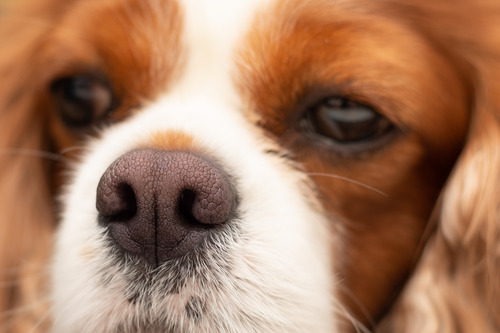
A dog’s nose says a lot about their overall health, but it’s a common misconception that it must always be cool and moist. A dry dog nose isn’t always a cause for concern. Sometimes, it’s simply a result of natural changes in temperature, environment, or your pet’s daily habits. However, there are times when a persistently dry or cracked nose could point to something that needs a closer look. Knowing how to tell the difference can help you stay aware of your pet’s health and comfort without unnecessary worry.
If you’ve noticed your dog’s nose feeling unusually dry or flaky, it may help to understand why this happens and when it might signal a problem. Triangle Animal Clinic in Conroe, TX, shares insights into what a dry dog nose could mean, what might cause it, and when you should schedule a veterinary visit.
What a Dry Dog Nose Can Mean
In most cases, a dry dog nose is completely normal and nothing to worry about. Dogs’ noses naturally shift between moist and dry throughout the day depending on activity, temperature, and hydration. For instance, your pet’s nose may feel dry after they wake up from a nap or after spending time near a heater or outside in the sun. A healthy nose can also change texture and temperature from moment to moment. Many factors can influence this, just as your skin might feel drier on some days than others. However, if your dog’s nose stays dry for long periods, cracks, or develops a rough surface, it might be worth paying closer attention.
Normal Causes of a Dry Dog Nose
Common, harmless causes of a dry dog nose include:
- Napping or resting: Dogs often lick their noses to keep them moist, but this stops while they sleep.
- Warm or dry air: Air conditioning, heating systems, or time outdoors on hot days can dry out nasal tissue.
- Minor dehydration: Mild water loss can make the nose appear less moist without other symptoms.
- Age-related changes: Older dogs may naturally produce less nasal moisture.
A quick return to normal moisture after rest or environmental changes is a good sign that your pet’s nose dryness is harmless.
Environmental and Lifestyle Factors That Influence Nose Health
Just like people, dogs react to their environment. Conroe, TX, is known for its humid summers and mild winters, but even small changes in air quality or indoor temperature can affect your pet’s skin and nasal health.
Seasonal Conditions
During colder months, when indoor heating is running, the air can become dry, which may lead to a dry dog nose. In summer, prolonged sun exposure or high temperatures can have the same effect, especially if your pet spends time outside. Dogs with light-colored noses or thin coats may also be more sensitive to sunlight, leading to dryness or even mild sunburn.
Allergens and Irritants
Pollen, dust, cleaning products, and scented candles can irritate a dog’s sensitive nose. If your pet’s nose becomes dry and slightly red, environmental allergies might be at play. Dogs that spend time outdoors might also encounter irritants like grass or pollen that affect nasal moisture.
Hydration and Diet
A dry dog nose can sometimes relate to hydration. If your pet isn’t drinking enough water or is on a diet low in moisture, you may notice subtle changes in their nose texture. High-quality nutrition and steady access to fresh water support overall skin and nasal health.
When a Dry Dog Nose Might Indicate a Health Concern
Although most cases are harmless, persistent or severe dryness can sometimes signal an underlying issue. If your dog’s nose appears cracked, flaky, discolored, or painful to the touch, it’s worth scheduling a veterinary exam to rule out potential causes.
Nasal Hyperkeratosis
This condition occurs when the body produces too much keratin, the protein that helps form the outer layer of the skin. It can cause thick, crusty growths on the nose or paw pads. Dogs with nasal hyperkeratosis often have rough, brittle noses that can crack or bleed if not monitored.
Allergies or Autoimmune Conditions
Certain allergies or immune system imbalances can cause chronic dryness or changes in nose color. In some autoimmune conditions, the immune system mistakenly attacks skin tissue, leading to inflammation around the nose or muzzle.
Infections or Other Medical Issues
Bacterial or fungal infections can sometimes start around the nose, especially if the skin becomes cracked. These may cause dryness, scabbing, or a noticeable odor. Some illnesses affecting internal organs can also cause secondary skin and nose symptoms, though this is less common. Triangle Animal Clinic can perform a thorough examination to identify the cause of a dry dog nose and recommend an appropriate treatment plan if needed.
Breeds Prone to Dry Noses
Some breeds naturally experience a dry dog nose more often than others due to facial structure, genetics, or skin type.
Flat-Faced Breeds (Brachycephalic Dogs)
Breeds such as Bulldogs, Pugs, Boxers, and Shih Tzus are more likely to have dry noses. Their shorter snouts make it difficult to lick their noses regularly, which can reduce moisture and lead to mild dryness or flakiness.
Dogs with Lighter Pigment or Sensitive Skin
Dogs with light-colored or pink noses, like Golden Retrievers or Dalmatians, may experience dryness or sensitivity from sun exposure. Applying pet-safe sunscreen before outdoor activities can help protect them from discomfort.
Older Dogs
As dogs age, their skin naturally becomes less elastic and more prone to dryness. You may notice that your senior dog’s nose feels rougher than it did in their younger years. Regular checkups help monitor these changes and rule out any related health issues.
Assessing a Dry Dog Nose
When you bring your pet to Triangle Animal Clinic for a dry dog nose, our team will first review your dog’s overall health history and perform a physical exam. This may include checking hydration levels, inspecting the nose and mouth, and assessing the skin around the face. If needed, your vet may recommend additional tests such as skin scrapings, allergy testing, or bloodwork to look for underlying issues. These steps help ensure your pet receives appropriate care based on their specific condition. Triangle Animal Clinic takes a gentle, individualized approach to every visit. The goal is to identify what’s affecting your dog’s nose and provide relief while supporting long-term skin and coat health.
Supporting Your Dog’s Nose Health Year-Round
You can help protect your dog’s nose by being mindful of their environment and hydration, especially during seasonal changes. Make sure your pet has access to clean drinking water, shaded rest areas outdoors, and a comfortable indoor temperature. Regular wellness exams at Triangle Animal Clinic are the best way to stay proactive about their health. During routine visits, your veterinarian can check for subtle skin or nose changes and address concerns early.
Whether your pet’s nose feels dry, warm, or rough, the team in Conroe, TX, can evaluate what’s normal for your dog and ensure they remain comfortable and healthy. If you notice ongoing changes in your dog’s nose texture, or if it looks cracked or irritated, call (936) 756-3318 or book an appointment online with Triangle Animal Clinic. Our team will be happy to examine your pet and provide guidance to support their well-being.