

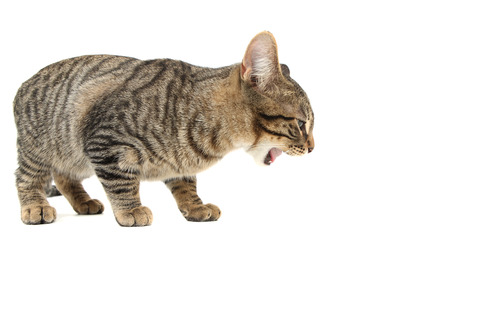
When a cat starts vomiting, it can be concerning for any pet owner. Occasional vomiting may happen from hairballs or eating too fast, but frequent or severe vomiting often signals an underlying issue that needs attention. If your cat is vomiting repeatedly, acting differently, or refusing food, it’s time to reach out to your veterinarian for help. At Triangle Animal Clinic in Conroe, TX, our team can determine what’s causing your cat’s vomiting and provide the right care to help them feel better.
Why Cats Vomit
Vomiting in cats happens when the body forcefully expels stomach contents through the mouth. It’s different from regurgitation, which is a more passive process where undigested food comes back up. Occasional vomiting might not be serious, but when it becomes frequent or includes bile, foam, or blood, it’s important to have your cat examined. Cats vomit for many reasons—some mild, others more serious. Common causes include eating too fast, hairballs, dietary changes, or food sensitivities. In other cases, vomiting can result from infections, toxins, intestinal blockages, or chronic conditions such as kidney or liver disease.
Causes of Vomiting in Cats
While all cats vomit from time to time, the reasons can vary widely. Understanding potential causes can help you recognize when your cat may need veterinary care.
Hairballs
Cats groom themselves by licking their fur, which leads to swallowing hair. This hair can accumulate in the stomach, forming a hairball. When your cat can’t pass it naturally, they may vomit it up. Occasional hairballs are normal, but frequent vomiting from hairballs may require dietary adjustments or professional care.
Eating Too Fast or Too Much
Some cats eat their meals so quickly that they immediately regurgitate afterward. While this isn’t true vomiting, it’s still uncomfortable for your cat and messy for you. Slowing down mealtime with puzzle feeders or smaller, more frequent portions can help reduce this issue.
Dietary Changes and Food Intolerance
A sudden switch in food can upset your cat’s stomach. Gradual transitions are best to avoid digestive upset. Some cats also have food intolerances or allergies that cause chronic vomiting. Your veterinarian can recommend a diet trial or hypoallergenic food if needed.
Ingesting Foreign Objects or Toxins
Cats are curious creatures. If they chew or swallow small objects like string, rubber bands, or plants, it can lead to vomiting. Some household plants and chemicals are toxic to cats and can cause severe symptoms, including vomiting, drooling, and lethargy.
Underlying Health Conditions
Chronic vomiting may be linked to more serious problems such as:
- Kidney or liver disease
- Hyperthyroidism
- Pancreatitis
- Gastrointestinal inflammation or infection
- Cancer
If your cat vomits frequently, it’s best to schedule an appointment at Triangle Animal Clinic so we can identify the cause and provide appropriate care.
How Veterinarians Diagnose Cat Vomiting
When you bring your cat in for an exam, our veterinarians start by gathering a detailed history of their vomiting episodes: when it started, how often it happens, and any changes in behavior or appetite. From there, we’ll perform a physical exam and may recommend diagnostic tests.
Physical Exam and Medical History
Your veterinarian will check your cat’s hydration, abdominal area, weight, and temperature. Information about their diet, environment, and recent activities helps narrow down potential causes.
Diagnostic Testing
To determine what’s causing your cat’s vomiting, we may recommend:
- Bloodwork and urinalysis: to check for infections, organ function, and metabolic conditions
- Fecal testing: to detect parasites or bacteria
- X-rays or ultrasound: to identify blockages, tumors, or abnormalities in the digestive tract
- Allergy or food trials: to identify possible intolerances
These tests help pinpoint the problem and guide the next steps for care.
When Should You Call Your Veterinarian?
Not every vomiting episode requires an urgent visit, but certain symptoms indicate it’s time to call your vet. You should schedule an appointment with Triangle Animal Clinic if your cat’s vomiting:
- Happens more than once or twice in a 24-hour period
- Contains blood, foam, or bile
- Is accompanied by lethargy, loss of appetite, or weight loss
- Occurs alongside diarrhea or dehydration
- Happens in an older cat or one with known health conditions
Even if your cat seems normal afterward, consistent vomiting is never something to ignore. Prompt evaluation can prevent complications and relieve discomfort faster.
Can Stress Cause Cat Vomiting?
Yes, stress can contribute to cat vomiting. Cats are sensitive to environmental changes: new pets, visitors, loud noises, or even rearranging furniture can affect their digestion. Stress may trigger nausea or cause them to overgroom, leading to more hairballs. To help reduce stress-related vomiting:
- Maintain a predictable routine for feeding and playtime
- Provide quiet spaces for your cat to retreat
- Use feline pheromone diffusers to promote calm behavior
- Keep litter boxes clean and easily accessible
If your cat’s vomiting seems tied to environmental changes, discuss it with your veterinarian to rule out other causes.
What Happens During Treatment
Once your veterinarian determines why your cat is vomiting, they’ll create a treatment plan tailored to their needs. Treatment may vary depending on the underlying issue and severity.
Supportive Care
Cats that have lost fluids due to vomiting may receive hydration support at the clinic. Rest and dietary adjustments may also be part of the recovery process.
Diet Modifications
If food intolerance or dietary issues are suspected, your vet may recommend a prescription diet or limited-ingredient food. Slowly reintroducing meals helps prevent further stomach upset.
Ongoing Management
Chronic conditions such as kidney disease or hyperthyroidism require ongoing management. Regular checkups and lab monitoring ensure your cat stays as healthy and comfortable as possible.
How to Help Prevent Cat Vomiting
While some causes can’t be completely avoided, a few daily habits can help reduce how often your cat vomits.
- Regular Grooming: Brushing your cat frequently removes loose fur and reduces the likelihood of hairballs. This is especially important for long-haired breeds.
- Portion Control: Serve smaller, more frequent meals to help your cat digest food more comfortably. Puzzle feeders or slow-feed bowls can make eating more engaging and manageable.
- Safe Environment: Keep harmful items like string, rubber bands, small toys, and toxic plants out of reach. Double-check that cleaning supplies, medications, and essential oils are stored securely.
- Routine Veterinary Care: Routine checkups at Triangle Animal Clinic help detect early signs of illness that could cause vomiting later on. Early diagnosis and consistent preventive care make a big difference in your cat’s long-term health.
Helping Your Cat Feel Better Starts with Professional Care
Cat vomiting is common, but frequent or persistent episodes should never be overlooked. Whether it’s due to hairballs, diet, or an underlying condition, identifying the cause is the first step to helping your cat feel better. The caring team at Triangle Animal Clinic in Conroe, TX is here to help with expert diagnostics and treatment tailored to your cat’s needs. If your cat is vomiting or showing other signs of illness, call (936) 756-3318 or book an appointment online today. We’re committed to helping your cat return to comfort and good health as soon as possible.